International Desk: Special Report
Saturday, June 6, 2026
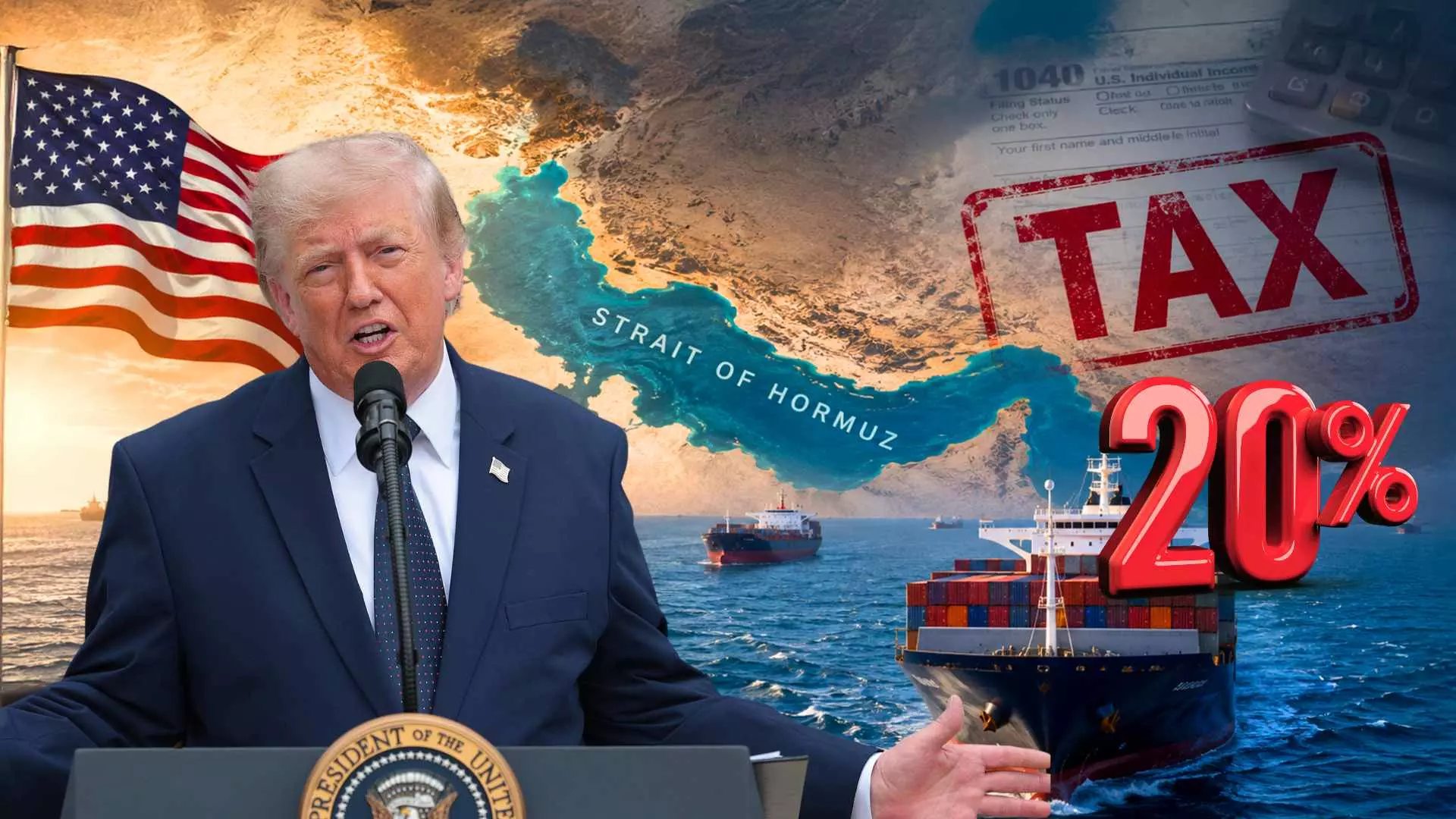
The Middle East region has once again reached the brink of a horrific and wider regional war. Despite ongoing global diplomatic efforts and peace talks taking place in the backdrop of alleged Pakistani mediation, a direct military confrontation between the US and Iran over the past 24 hours has made the situation highly explosive. The US bombardment of Iranian military installations near the Strait of Hormuz and Iran's subsequent rain of ballistic missiles on US and allied bases in Gulf countries (Kuwait and Bahrain) have shaken all security arrangements in the region.
While on one hand US President Donald Trump claims to have broken Iran's back, on the other hand, US intelligence agencies and prominent international journals are contradicting Trump's claims. Along with this bloody confrontation, Israeli aggression in Lebanon has also reached its peak, where dozens of people, including innocent children and aid workers, have been targeted in airstrikes.
1. Details of Military Confrontation: US Attack on Goruk and Qeshm
According to an emergency statement issued by the US Central Command (CENTCOM), the US Air Force and Navy, in a joint operation, targeted highly sensitive military installations of Iran. US officials claim that the action was "defensive and retaliatory" in nature, aimed at protecting international shipping lanes and US forces.
Conflict Triggered by Downing of Drones over Strait of Hormuz
According to CENTCOM, the conflict began when four of Iran's latest attack suicide drones (Kamikaze Drones) were flying over the international waterway of the Strait of Hormuz and got extremely close to US naval ships. Sensing the danger, the US defense system destroyed all four Iranian drones in mid-air.
Immediately after this incident, to preemptively prevent any such future Iranian airstrikes, US warplanes heavily bombed Iranian radar sites located on the strategic Iranian islands of Goruk and Qeshm. These radar sites are considered the heart of Iranian coastal defense, monitoring the movement of US and international ships in the Strait of Hormuz.
2. Iran's Horrific Retaliatory Attack: Rain of Ballistic Missiles on Kuwait and Bahrain
In response to this US airstrike, Iran's Islamic Revolutionary Guard Corps (IRGC), adopting its traditionally tough stance, launched a major retaliatory operation within a few hours. Iran announced that its missile force fired multiple ballistic missiles to target "enemy bases" near the Strait of Hormuz.
US Installations Targeted in Kuwait and Bahrain
US security sources and CENTCOM confirmed that Iran fired 7 advanced ballistic missiles to target US military bases and installations in the Gulf. These missiles were primarily aimed towards Kuwait and Bahrain, where large centers of US forces are located.
The US Patriot Missile Defense System demonstrated alertness during this attack:
- Six missiles destroyed in mid-air: The US anti-missile system successfully shot down 6 out of the 7 Iranian ballistic missiles in mid-air (Mid-Air Interception).
- Seventh missile failed to reach target: According to CENTCOM, the seventh Iranian missile failed and fell before reaching its target due to a technical glitch or the US jamming system. No major casualties have been reported in this attack, but panic has spread across the Gulf countries.
3. President Trump's Claims vs. US Intelligence Reports: What is the Reality?
Speaking to the media in Washington after this military action, US President Donald Trump, true to his style, adopted an extremely aggressive and triumphant tone. Trump claimed that US airstrikes and harsh economic sanctions have decimated Iran's military infrastructure.
Trump's Claim: Only 22% of Iran's Missile Power Remains
Donald Trump said in a statement issued from the presidential office:
"Following our recent strikes, Iran's missile and defensive capabilities have been completely paralyzed. Our initial intelligence reports indicate that Iran is no longer in a position to fight any long war. It has only about 21 to 22 percent of its original missile inventory left. The rest has either been destroyed or rendered useless."
The New York Times' Sensational Revelation: Is Trump's Claim Wrong?
However, just a few hours after this big claim by President Trump, America's most credible newspaper, The New York Times, published an alternative and shocking report based on information obtained from internal sources within the US intelligence community.
According to The New York Times report, the US intelligence community does not agree with President Trump's assessment. The report stated that:
- 30 missile sites reactivated: Despite previous attacks on Iran, Iranian engineers and the Revolutionary Guards have fully reactivated 30 out of their total 33 missile sites.
- 70% stockpile still secure: Intelligence agencies believe that Iran's actual missile stockpile remains largely intact, and Iran has approximately 70 percent of its missile power completely safe and in a ready state.
Political observers say that Trump's statement appears to be an attempt at a "political narrative and damage control" rather than the reality on the ground.
4. Five Big and Most Important International Updates of the Past 24 Hours
Parallel to this military confrontation, five important developments have taken place on the global stage that will determine the future of the Middle East:
A) Possible Meeting Between Trump and Iranian Supreme Leader and Secret Military Plan
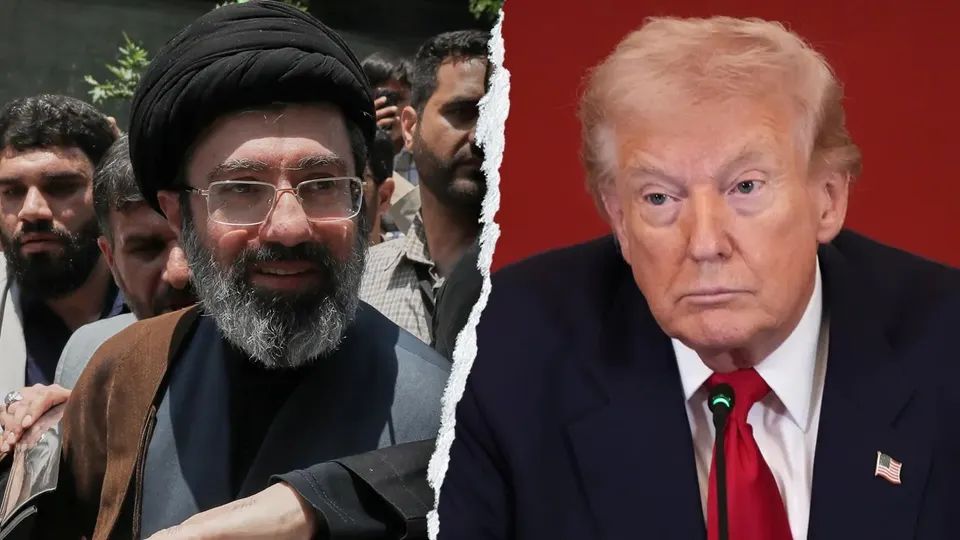
US President Donald Trump has made another big statement saying that if a comprehensive and durable peace agreement is reached between the US and Iran, he is ready to meet Iran's Supreme Leader Ayatollah Ali Khamenei directly. Along with this, Trump revealed a terrifying secret, disclosing that the US administration had seriously considered a military plan to send US Special Forces directly into Iran to seize Iran's highly enriched uranium stockpiles. However, the plan was canceled at the last minute due to the immense risk to the lives of the US soldiers involved and the fear of sparking World War III.
B) Big Step by Iran's Supreme Leader: Pardon for More Than 2,000 Prisoners
According to reports coming from Tehran, Iran's Supreme Leader Ayatollah Ali Khamenei has issued a special royal decree approving the pardon or major sentence reduction of more than 2,000 prisoners held in various jails across the country. However, the Iranian judiciary clarified that this pardon will not apply to prisoners involved in espionage for foreign agencies, sabotage, and serious crimes against Iran's national security. This step is being viewed as an attempt to keep internal conditions peaceful.
C) Despite Ceasefire Talks, Brutal Israeli Bombardment Continues in Lebanon
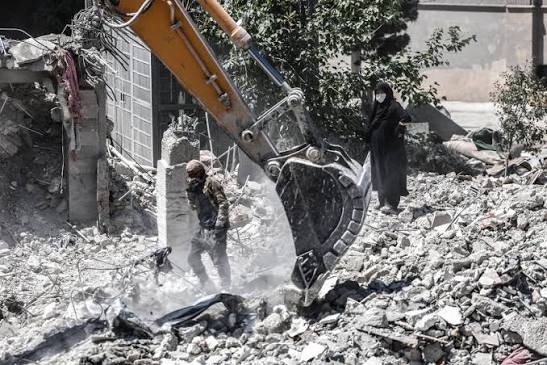
Completely rejecting ongoing international ceasefire efforts and diplomatic pressure, Israel's Netanyahu government has continued its series of airstrikes on southern Lebanon. During the past 24 hours, several residential areas of southern Lebanon were targeted, resulting in the immediate death of at least four civilians, while dozens of others were seriously injured. An emergency has been declared in local hospitals.
D) Impact of US Sanctions: Historic 84% Decline in Iran's Oil Exports
According to the latest report by 'Lloyd's List', an agency monitoring global shipping, a record 84% decline was registered in Iran's legal crude oil exports in the month of May due to the strict guard of US economic sanctions. To avoid this economic loss and US Navy actions, Iran has now changed its strategy. Iran is now using smaller vessels instead of Very Large Crude Carriers (VLCC) for oil supply so that it can sell oil secretly, evading US radars in international waters.
E) Ireland's Major Diplomatic Action Against Israel: Ministers Banned from Entering Country
The European country Ireland, taking a tough stance against Israel's ongoing genocide against Palestinians and aggressive statements, has permanently banned two of Israel's most hardline and right-wing ministers—Interior Minister Itamar Ben-Gvir and Finance Minister Bezalel Smotrich—from entering its country. The Irish government stated in its official announcement that the racist statements of these two Israeli leaders have fueled hatred, violence, and human rights violations against Palestinians in Gaza and the West Bank, therefore they cannot be allowed to step onto Irish soil.
5. 2.29 Lakh Crore Rupees Frozen Assets: The Real Deadlock in US-Iran Peace Talks
The biggest economic reason behind the failure of indirect talks between the US and Iran and the recent military strikes has now come to light. According to a special investigative report by CNN, the proposed peace agreement between the two countries cannot take final shape until Donald Trump restores Iran's frozen assets.
Iran's Demand for $24 Billion, Ball in Trump's Court
The US has frozen approximately $24 billion (around 2.29 lakh crore rupees in Pakistani/Indian currency) of Iranian assets in various global banks. Commenting on the current situation, Mohsen Rezaei, senior military advisor to Iran's Supreme Leader and former Revolutionary Guards chief, said:
"Peace talks with the US have completely hit a deadlock at this time. Resolving this deadlock is now entirely in President Trump's hands. We have made our stance clear, now the ball is in Trump's court."
According to the CNN report, Iran demands that as soon as both countries sign the interim agreement, the US must immediately release $12 billion as the first installment, and the remaining $12 billion should be released after the implementation of the next phases of the agreement. On the other hand, US security officials and the Pentagon are deeply concerned that if such a large amount is provided to Iran at this stage, economic pressure on Iran will end, and it will use a major portion of this money to strengthen its nuclear program and regional proxies (Hezbollah and Houthis).
6. Israeli Brutality in Lebanon: 21 Killed, Including Municipal Councilor and Children, in Recent Attacks
The most tragic aspect of this entire Middle East conflict is Lebanon, where innocent civilians are continuously losing their lives. Citing Lebanon's official news agency 'NNA', CNN reported that 21 people were martyred in Israeli airstrikes on southern Lebanon on Friday.
Accusation of Deliberately Targeting Aid Workers and Children
Those killed include a respected member of a local municipal council, two innocent Syrian refugee children, and most tragically, a paramedic who went to the site after the Israeli bombing to provide medical assistance and rescue the injured.
Lebanon's Ministry of Health has strongly protested this incident and appealed to the international community for intervention. The Ministry of Health said in its statement that Israel's deliberate targeting of medical staff, ambulances, and aid workers is a blatant and most serious violation of the Geneva Convention and International Humanitarian Law, which can under no circumstances be justified as military defense.
The current situation in the Middle East shows that war is no longer limited to statements but has spread to land, air, and sea. If the US does not show flexibility on Iran's frozen assets and Iran's missile attacks do not stop, the coming days could prove catastrophic for the entire world economy and peace.