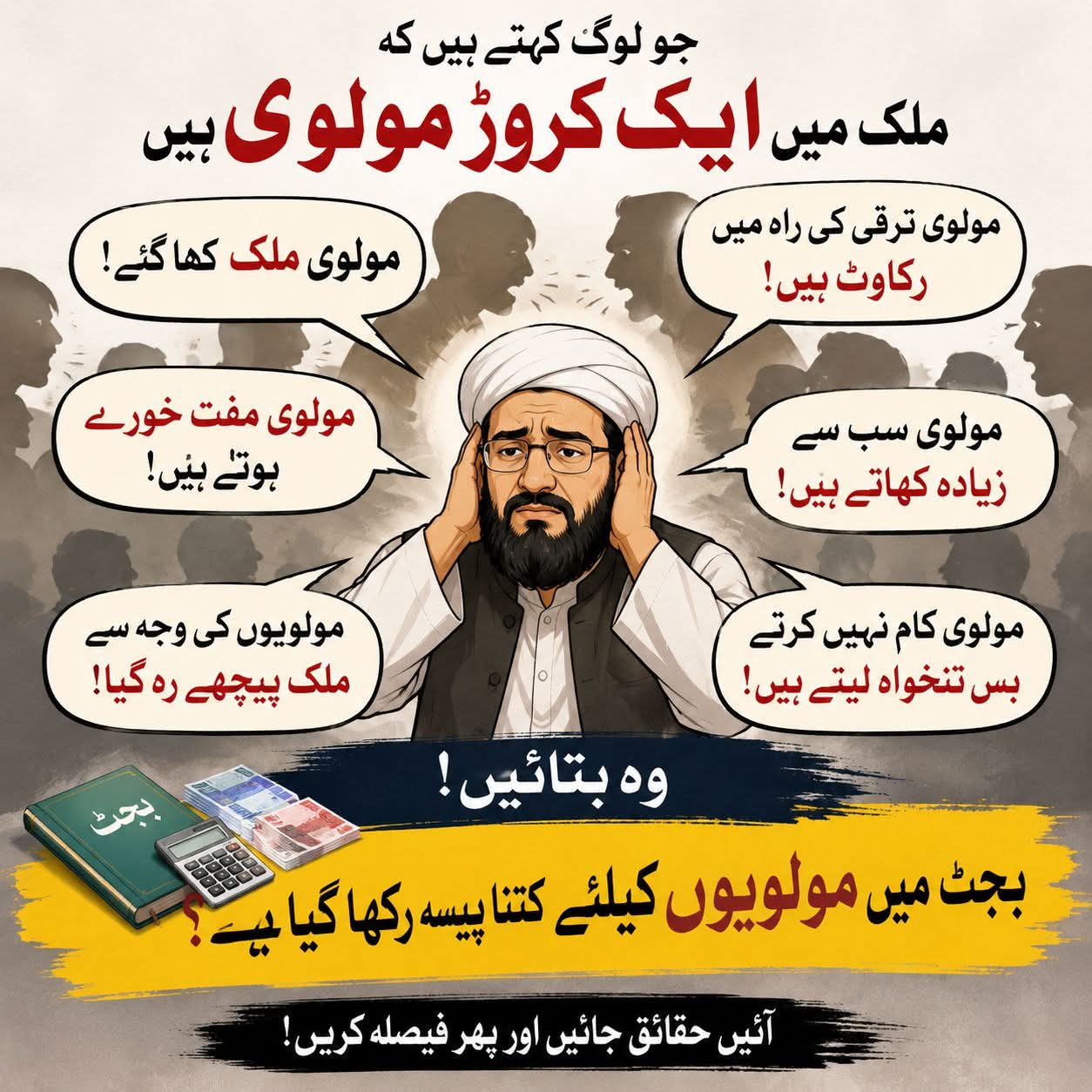
This is the person who is often targeted with criticism, but when observed closely, it becomes clear that his services are present at every turn of our lives. A human being's life begins with a Molvi and ends with a Molvi. Nations are not built merely by roads, bridges, and buildings... nations are built by character... and the position of the Molvi has always been high among those who build character. Whether it is a freezing cold night of winter... a dawn wrapped in dense fog... a scorching hot afternoon of summer... or a dark rainy night... while most of the neighborhood people are sleeping comfortably in their beds, a lamp in the mosque is still shining... and a Molvi is sitting under that lamp. A doctor treats the body... an engineer builds a building... a merchant runs the market... but a Molvi shapes the mindset of generations... If the Molvi leaves this work, perhaps after some time, buildings will still stand... but humanity will start falling... society will begin to fall apart... and the foundations of relationships will become weak. If millions of people know the basic teachings of religion... then the hard work of some Molvi is definitely involved in it. In slums... in deserts... in mountains... where no government employee is willing to go... there too stands a mosque... and mostly a Molvi is present in that mosque... who, on a meager salary, fulfills the religious needs of the entire settlement. There can be differences, opinions can vary, but this reality remains that the role of scholars (Ulama) in protecting the freedom, religious identity, and religious awareness of this country is a part of history. Tell me honestly: If all the Molvi gentlemen stop their services for a single day, what impact will it have on society? But it is a matter of great sorrow that there is nothing for Molvis in the budget of this country. Think for a moment with a hand on your heart... if your son says one day: "Father! I also want to become a Molvi..." will you be happy? And if the answer is "no"... then you must ask a question to yourself... after all, what did we do to this class that people give them respect... but do not prefer such a life for their own children...?

admin | 18 October, 2026

admin | 3 August, 2026
admin | 9 July, 2026
admin | 25 June, 2026
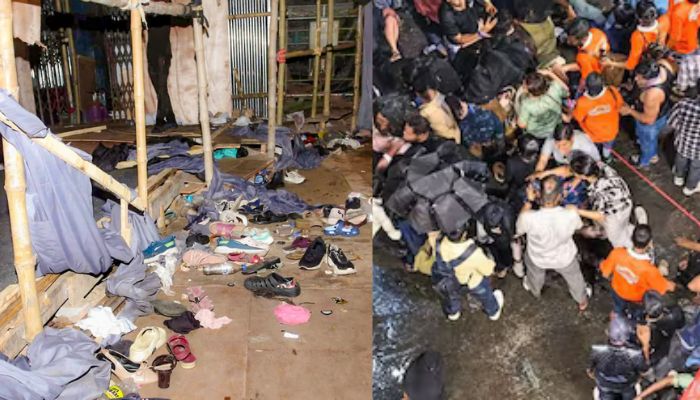
Kolkata: Stampede at Chorbagan Puja Pandal, 19 Dead, Questions Remain A stampede broke out at around 7:40 PM at a Durga Puja pandal in Chor...
admin - 18 October, 2026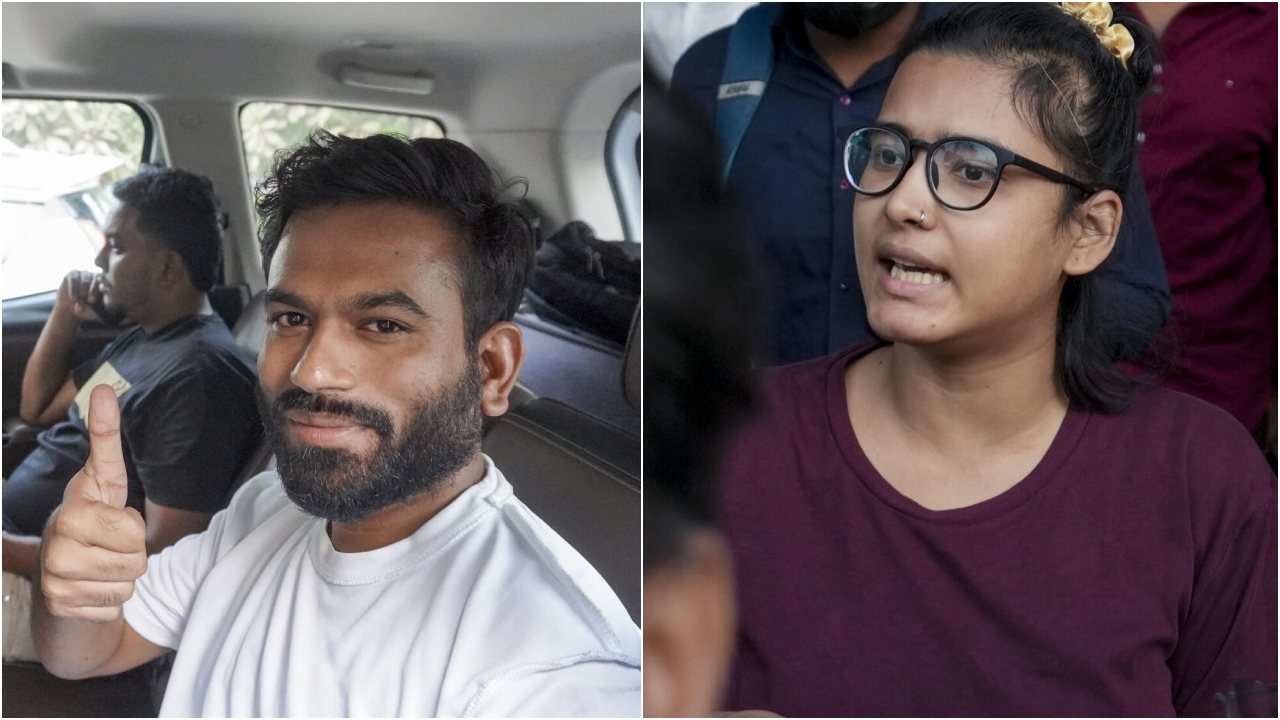
18 October, 2026
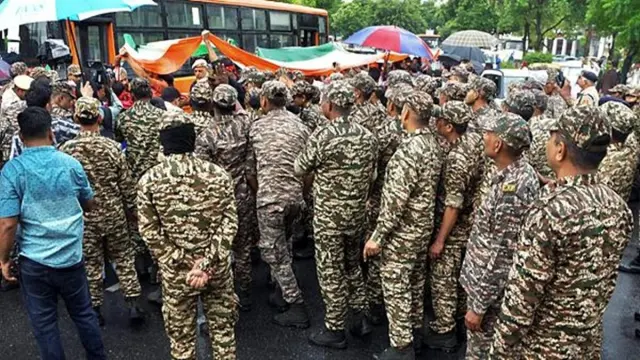
16 October, 2026

Protests held last Saturday against rising inflation in France turned into violence, looting, and arson in several cities. The biggest damag...
admin - 18 October, 2026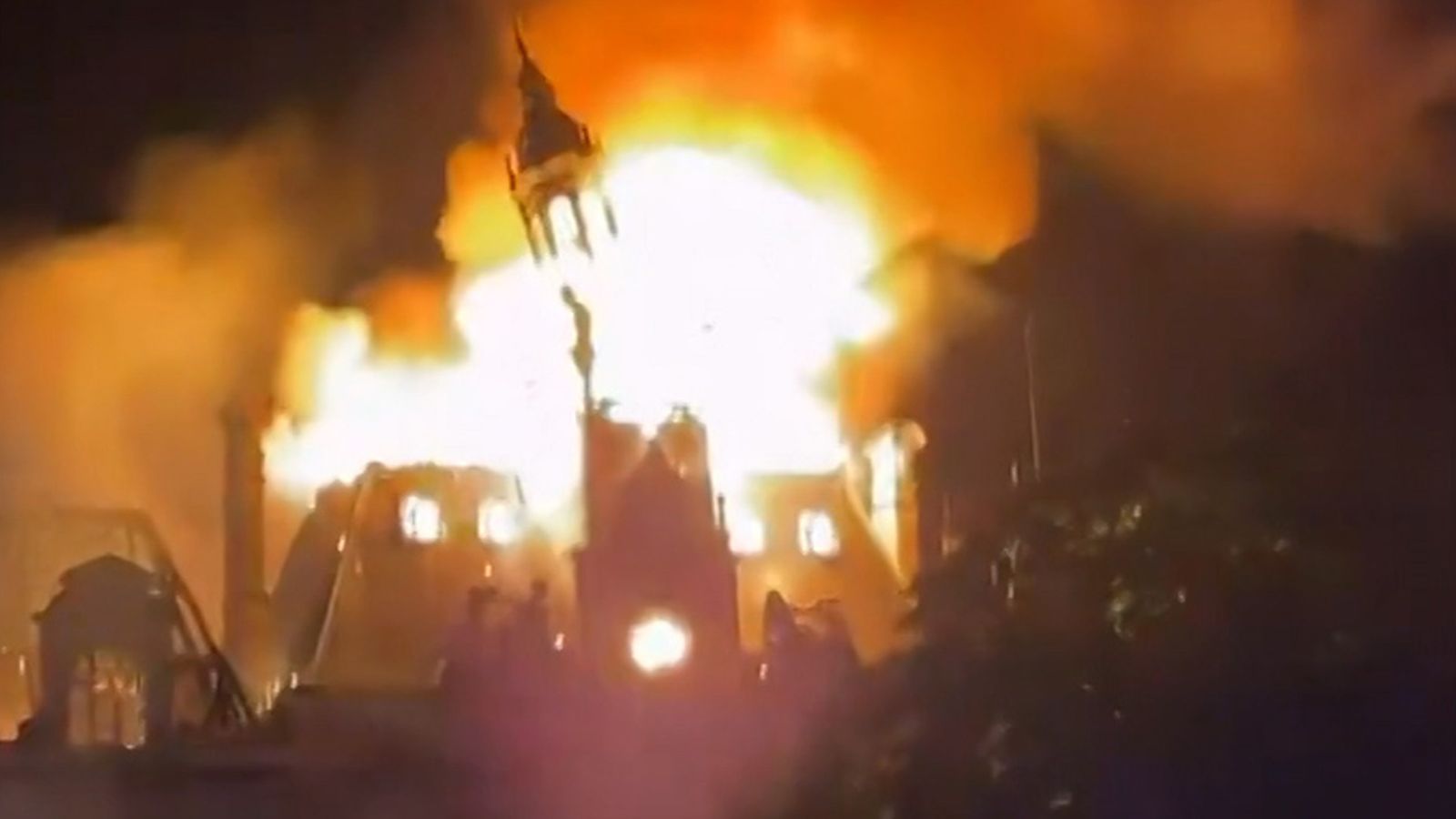
18 October, 2026

Fans

Fans

Fans

Fans
admin | 18 October, 2026