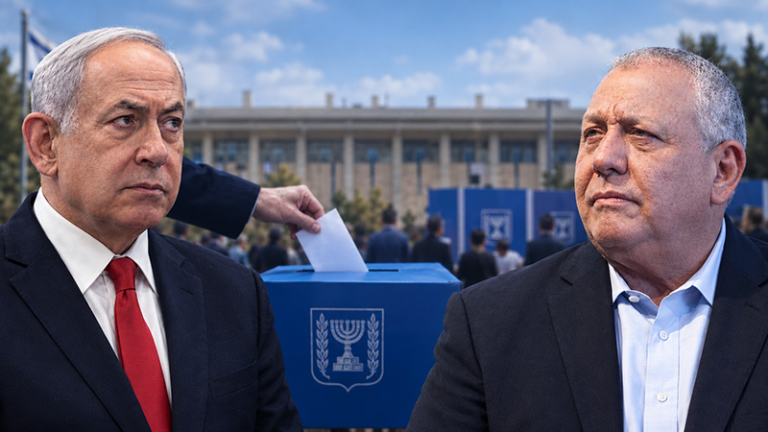
Voting is underway in Israel to elect a new prime minister and the parliament (Knesset). Polling stations opened at 7 a.m. local time, and eligible voters can cast their votes until 10 p.m.
In this election, incumbent Prime Minister Benjamin Netanyahu is facing a stiff challenge from former Israeli army chief Gadi Eisenkot. According to recent opinion polls, the contest between the two main contenders looks extremely close.
Parliamentary Math and the Majority Equation
Total seats: The Israeli parliament, the Knesset, has 120 seats in total.
Majority mark: To form a government, any party or coalition needs the support of 61 seats.
Likely outcome: Experts and opinion polls estimate that it will be difficult for any single bloc to win a clear majority. In that case, forming a coalition government after the election could take several weeks.
Background: Gaza Conflict and the Political Climate
This election is taking place at a time when tensions in the region are at their peak. On October 8, 2023, Israel launched a wide-scale military operation in Gaza. The operation has caused large-scale loss of life and property, and at the international level, questions have also been raised about the humanitarian crisis and human rights, as well as the Israeli government’s and Netanyahu’s policies.
Amid all these controversies and policy decisions, it will be important to see whom the Israeli public gives its mandate to this time.