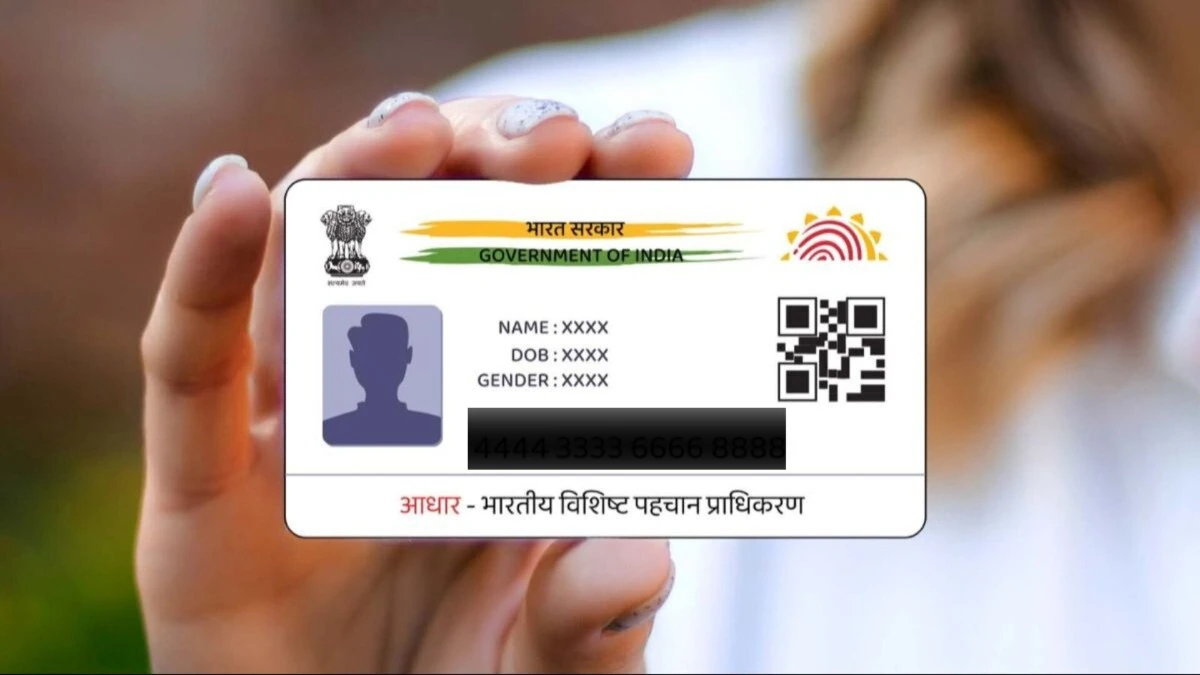
RTI Details: A recent RTI has revealed that the UIDAI has cancelled only 1.15 crore Aadhaar numbers in the last 14 years (2011 to 2024), while there were about 11.69 crore deaths in India during the same period. This figure is as per the Citizen Registration System (CRS), which shows that an average of 8.35 lakh deaths were reported every year from 2007 to 2019. By this calculation, only less than 10% of Aadhaar numbers were cancelled in 14 years, which is a matter of deep concern. According to the United Nations Population Fund, the total population of India is 1.4639 crore as of April 2025, while the number of Aadhaar cardholders is 1.4239 crore. In comparison, the number of Aadhaar numbers cancelled is negligible, which raises questions about the accuracy and updating process of the data. UIDAI's response: In response to a question asked in RTI, UIDAI said that it does not have any information about how many people in the country do not have Aadhaar cards. UIDAI said that when the Registrar General of India (RGI) shares the data of a deceased person with Aadhaar number, after a specific process, Aadhaar The number is cancelled. According to an August 2023 circular, this process is based on two conditions: There should be a 90% match in the name. There should be a 100% match in the gender. Even if both these conditions are met, the Aadhaar number is not cancelled until it is confirmed that there has been no biometric verification or update from the number after death. If the Aadhaar is still used after death, further investigation is carried out. UIDAI also clarified that if the cancelled Aadhaar is used for any action in the future, the system alerts the user, and the concerned person can reactivate it through biometric verification. Lack of annual records: When asked in an RTI for details of Aadhaar numbers cancelled on an annual basis in the last five years, UIDAI categorically stated that it does not have any such information. The agency only gave the aggregate data that 1.15 crore Aadhaar numbers have been cancelled on the basis of death till December 31, 2024. This shortfall shows the system's transparency and data management shortcomings. More than 100% Aadhaar in Bihar Saturation: During the Special Summary Revision (SSR) in Bihar, Aadhaar saturation was seen at over 100% in several districts, which is an alarming number. For example: Kishanganj: 126% Katihar and Araria: 123% Purnea: 121% Sheikhpura: 118% This means that Aadhaar has been issued to more people than the estimated population of these districts. A major reason for this is that Aadhaar numbers of deceased persons are not cancelled in time. Apart from this, errors in population estimation, migration, and duplication are also reasons for this. An X-post said: “Aadhaar saturation of over 100% in Bihar is a serious problem. UIDAI urgently needs to update its database.” Social and policy implications: This RTI disclosure exposes fundamental flaws in India’s Aadhaar system. UIDAI has neither an estimate of people without Aadhaar nor an effective system to cancel Aadhaar numbers after deaths. This not only affects the credibility of the data but also exposes serious flaws in policy-making and population statistics. Aadhaar is now used in banking, ration, Voting, and government schemes. In such a situation, data accuracy and transparency are essential. An expert said: “The Aadhaar system is the backbone of India’s digital identity, but ignoring its flaws is against the national interest.” Conclusion: This RTI disclosure brings to light a fact that raises questions about India’s digital identity system. The cancellation of only 1.15 crore Aadhaar numbers against 11.7 crore deaths not only reveals a technical failure but also raises questions about the transparency and efficiency of the system. As one X user wrote: “Aadhaar is our biggest identity document, but if its data is not updated, it is nothing more than a meaningless piece of paper.” UIDAI should bring transparency to its system and develop an effective mechanism to maintain the credibility of Aadhaar data. This is not only a technical necessity but also a national responsibility. Source: The Hindu: Indian Express: Times of India: X Posts: