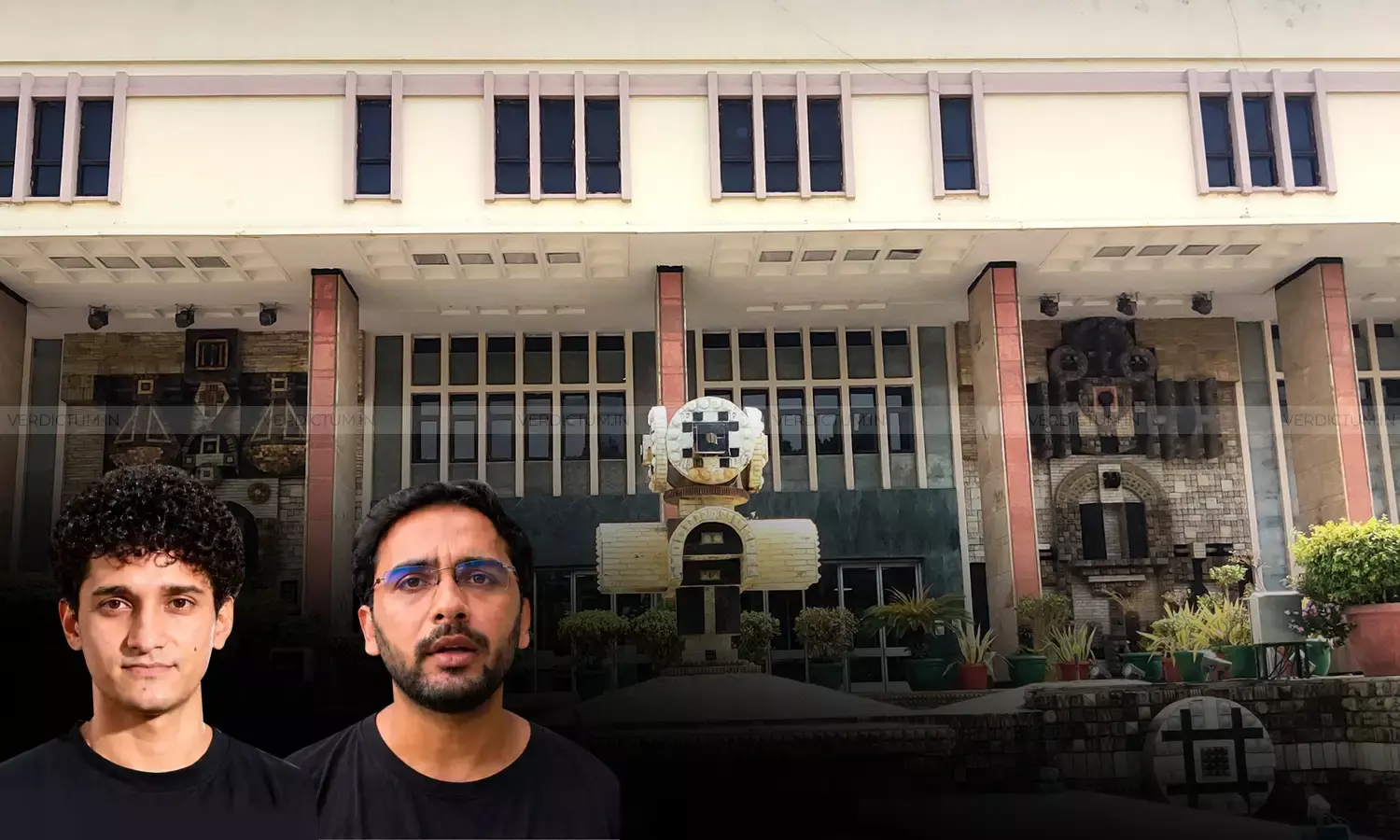
Suspense continues over the release of Saurav Das and Ashutosh Ranka, leaders of the Cockroach Janta Party (CJP), who were arrested in connection with the protest at Jantar Mantar. After 7 days of judicial custody, all eyes are now on the decision of the Special Executive Magistrate (SEM) court.
What happened in the High Court?
The Delhi High Court heard the matter on Wednesday afternoon. The court asked pointedly why the petitioners had approached the High Court directly under Article 226 when appeals and other legal remedies were already available under the law. Following this stance, both leaders withdrew their petition against the order extending their custody.
What is the full case?
Saurav Das and Ashutosh Ranka were arrested on 14 October for allegedly breaking security arrangements and forcibly entering Jantar Mantar during a protest. On Monday, the SEM had extended their custody by two more days.
What is an SEM court?
SEM stands for ‘Special Executive Magistrate’. During the hearing, Saurav Das had questioned it by calling it a ‘police court’. It is not a regular judicial court. Its main job is to maintain law and order in the area and take preventive measures. The magistrates here can take steps to prevent a breach of peace, but cannot conduct the final trial of a regular criminal case.
How is it different from a regular court?
Power to maintain peace: Under Sections 126 to 143 of the BNSS, an Executive Magistrate can require any person to furnish a ‘peace bond’ when a breach of peace is apprehended.
Limited scope of inquiry: If the terms of the bond are violated, the magistrate begins an inquiry under Section 130. In other words, the entire work is limited to getting the bond executed and ensuring compliance.
Court inside a police station: The SEM’s office is often set up inside a police station, which is colloquially called a ‘police station SEM court’. The hearing of Saurav and Ashutosh’s case was also held at the SEM court located in Mandir Marg police station. However, its jurisdiction is determined not by the police station but by the entire district or area.