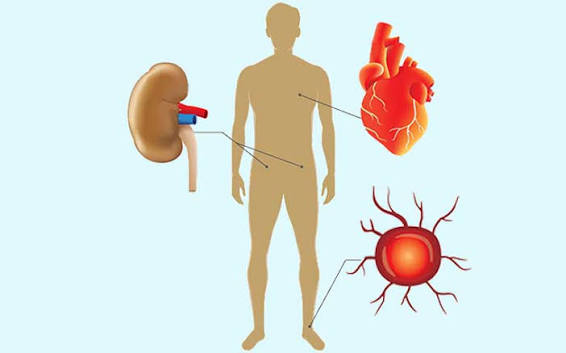
According to the WHO, around 830 million people worldwide have diabetes, most of them living in low- and middle-income countries. It is worrying that a large number of people still cannot get treatment, causing the number of patients and untreated people to rise rapidly. According to the NIDDK, uncontrolled blood sugar can damage several vital organs of the body.
What is diabetes?
According to the NIH, diabetes occurs when the level of glucose in the blood starts to rise. Glucose gives the body energy. Insulin is a hormone made in the pancreas that carries glucose to the cells. In diabetes, the body either cannot make enough insulin, stops making it, or cannot use it properly. As a result, glucose stays in the blood instead of reaching the cells.
What increases the risk?
The disease does not spread through the air. According to the NIH, habits and family history raise the risk:
Obesity, especially fat around the belly
Increasing age (young children can also be affected)
A family history of diabetes
Not being physically active
Eating too much sugar and fatty food
Sitting for long hours at work
Smoking or being exposed to cigarette smoke
Which 5 parts of the body are affected?
According to the NIDDK, uncontrolled blood sugar can affect these organs:
Heart: The risk of heart attack or stroke may increase.
Kidneys: Risk of kidney disease, especially kidney failure.
Eyes: Vision may be affected.
Mouth: Problems such as infections and difficulty eating may increase.
Feet: The risk of several kinds of foot problems rises.
Ignoring these problems for a long time can prove fatal.
What to do to stay healthy?
There is no definite cure for diabetes yet, but it can be kept under control:
Adopt a balanced and healthy lifestyle
Do regular physical activity
Take medicines prescribed by your doctor regularly
Get your sugar levels checked from time to time
Note: This information is for general awareness. Please consult a doctor for treatment or medication.