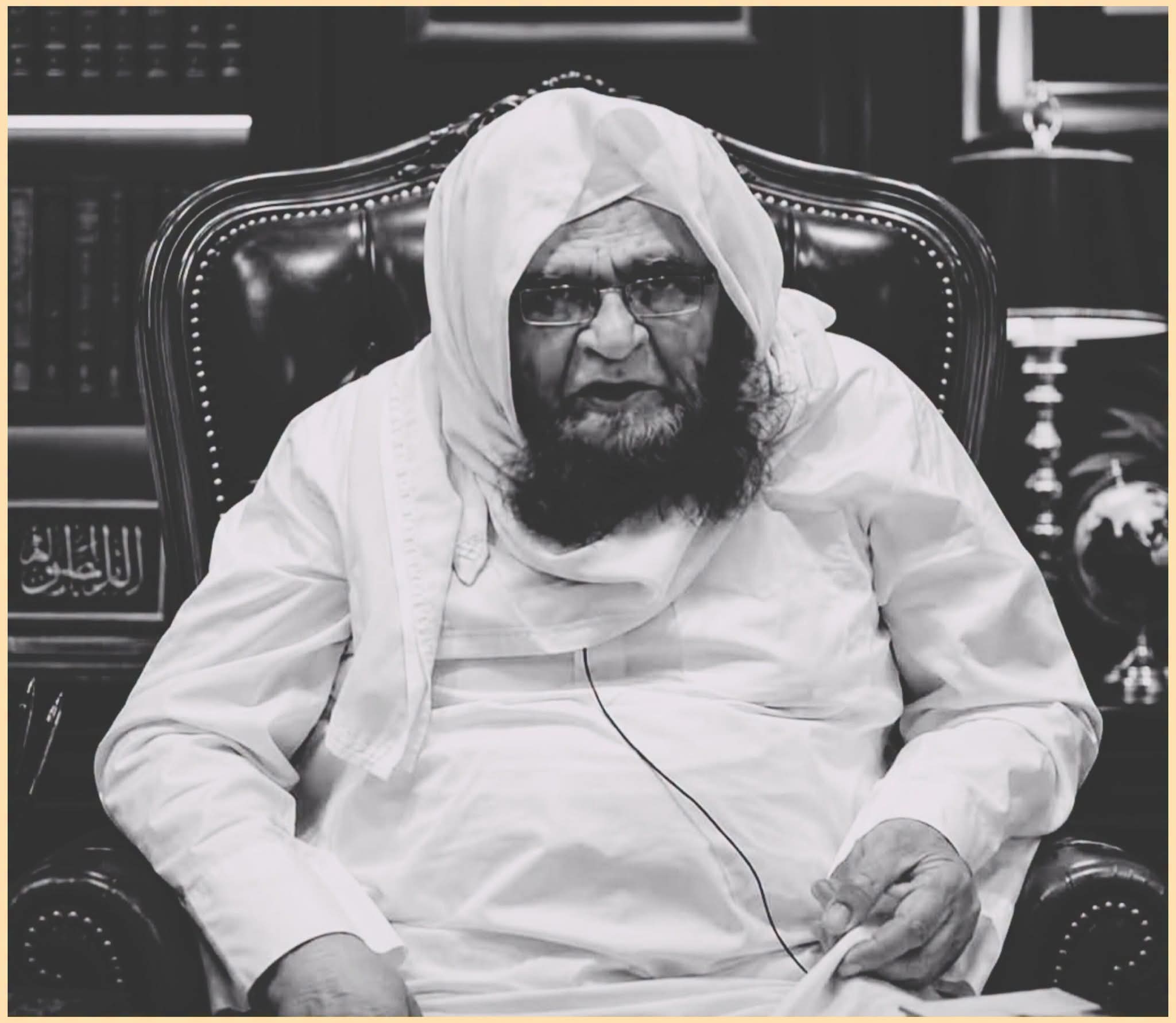
In the third century AH, four outstanding scholars of Hadith (Muhaddithin) became very famous in Egypt. Remarkably, all four shared the first name 'Muhammad', and all were counted among the most illustrious imams of Hadith science. They were: Muhammad bin Nasr al-Marwazi, Muhammad bin Jarir al-Tabari, Muhammad bin al-Mundhir, and Muhammad bin Ishaq bin Khuzaymah. Hafiz Ibn Kathir has narrated an extraordinary incident regarding them. These four scholars were collectively engaged in the service of Hadith. At times, their immersion in these scholarly endeavors was so intense that it led them to the brink of starvation. One day, all four were gathered in a house, completely absorbed in writing Hadiths. They had nothing to eat. Finally, it was decided that one of them must go out to seek a livelihood so that food could be arranged. They cast lots, and the lot fell on Hazrat Muhammad bin Nasr al-Marwazi. Before heading out to seek a livelihood, he stood up to pray and supplicate to Allah. It was exactly noon, and the ruler of Egypt, Ahmad bin Tulun, was resting at his residence. While asleep, he was blessed with a vision of the Prophet Muhammad (ﷺ) in his dream. The Holy Prophet (ﷺ) said to him, "Take care of the Muhaddithin! They have nothing to eat." Upon waking up, Ibn Tulun enquired from the people about who the Hadith scholars were in the city. The people directed him to these illustrious personalities. Ahmad bin Tulun immediately sent one thousand dinars to them. Furthermore, he purchased the very house where they were engaged in the service of Hadith, built a mosque there, turned it into a grand center for Hadith science, and endowed large properties for its maintenance. (Al-Bidayah wan-Nihayah, Vol. 11, p. 103, Year 294 AH & Vol. 11, p. 146, Year 321 AH) ـــــــــــــــــــــــــــــــــــــــــــــــــــــــ Book: Tarashe 📔 (Page No. 179-180) Author: Mufti Muhammad Taqi Usmani Selected by: Islamic Tube Pro App


admin | 18 October, 2026

admin | 3 August, 2026

admin | 9 July, 2026
admin | 25 June, 2026
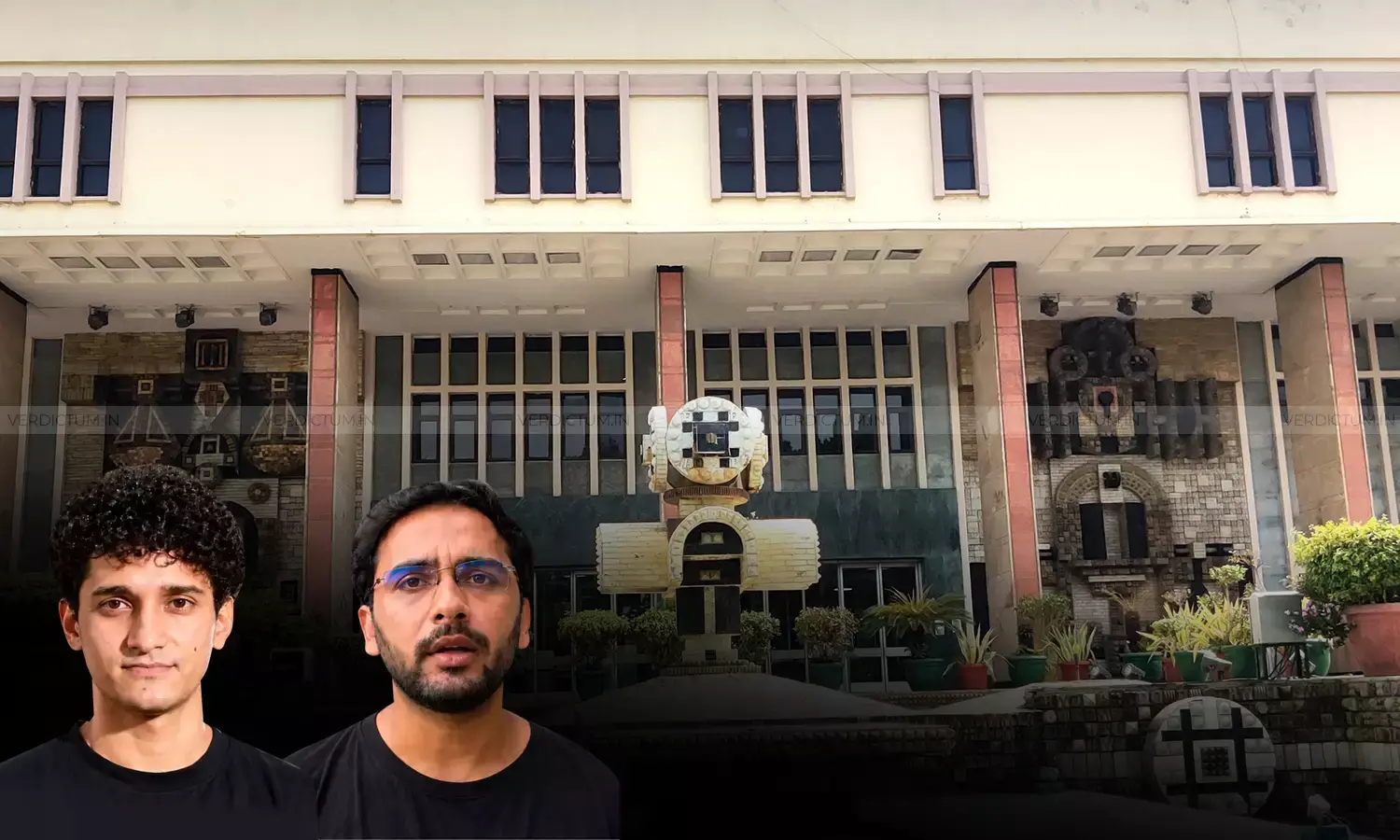
Suspense continues over the release of Saurav Das and Ashutosh Ranka, leaders of the Cockroach Janta Party (CJP), who were arrested in conne...
admin - 21 October, 2026

Protests held last Saturday against rising inflation in France turned into violence, looting, and arson in several cities. The biggest damag...
admin - 18 October, 2026
18 October, 2026


Fans

Fans

Fans

Fans
admin | 18 October, 2026