Hazrat Maulana Ubaidullah Sindhi writes: The very first book that gave me a correct understanding of Islam, leading me to become a Muslim before the age of sixteen while living in Hindu society, is "Tuhfat-ul-Hind". My namesake author of Tuhfat-ul-Hind, after narrating the polytheistic beliefs and customs of the Hindu religion, cited an objection raised by Hindus asking whether polytheistic practices and customs are also found among Muslims? To this, the author replied briefly that whatever we have stated regarding the Hindu religion is derived from their authentic books, but whatever is presented in response to this objection is not derived from the authentic books of Islam. Rather, these are the practices and customs of Muslims, for which Islam is not responsible, and no authority for them can be produced from the Quran and Hadith. At this juncture, my companion (who, like me, was a new Muslim) felt the inclination to investigate whether the authentic books of Islam are truly completely unblemished in this matter and if there is indeed no evidence of these practices and customs anywhere in them? At this moment, a book was needed in which the monotheism (Tawheed) of Islam was presented solely with references to the Quran and Hadith. Fortunately, the second book that came into our hands after Tuhfat-ul-Hind was Maulana Ismail Shaheed's "Taqviyat-ul-Iman", which was a satisfying and comprehensive answer to this question. From it, we came to know that the monotheism of Islam is completely pure and the Quran and Hadith are entirely free from these practices and customs of Muslims. (Mashaheer-e-Ahl-e-Ilm ki Muhsin Kitabein: 29, Printed at: Maarif Press Azamgarh) Transcribed by: Abu Saad Charoliya — Narrated. Selected from Islamic Tube Pro App.

admin | 18 October, 2026

admin | 3 August, 2026
admin | 9 July, 2026

admin | 25 June, 2026
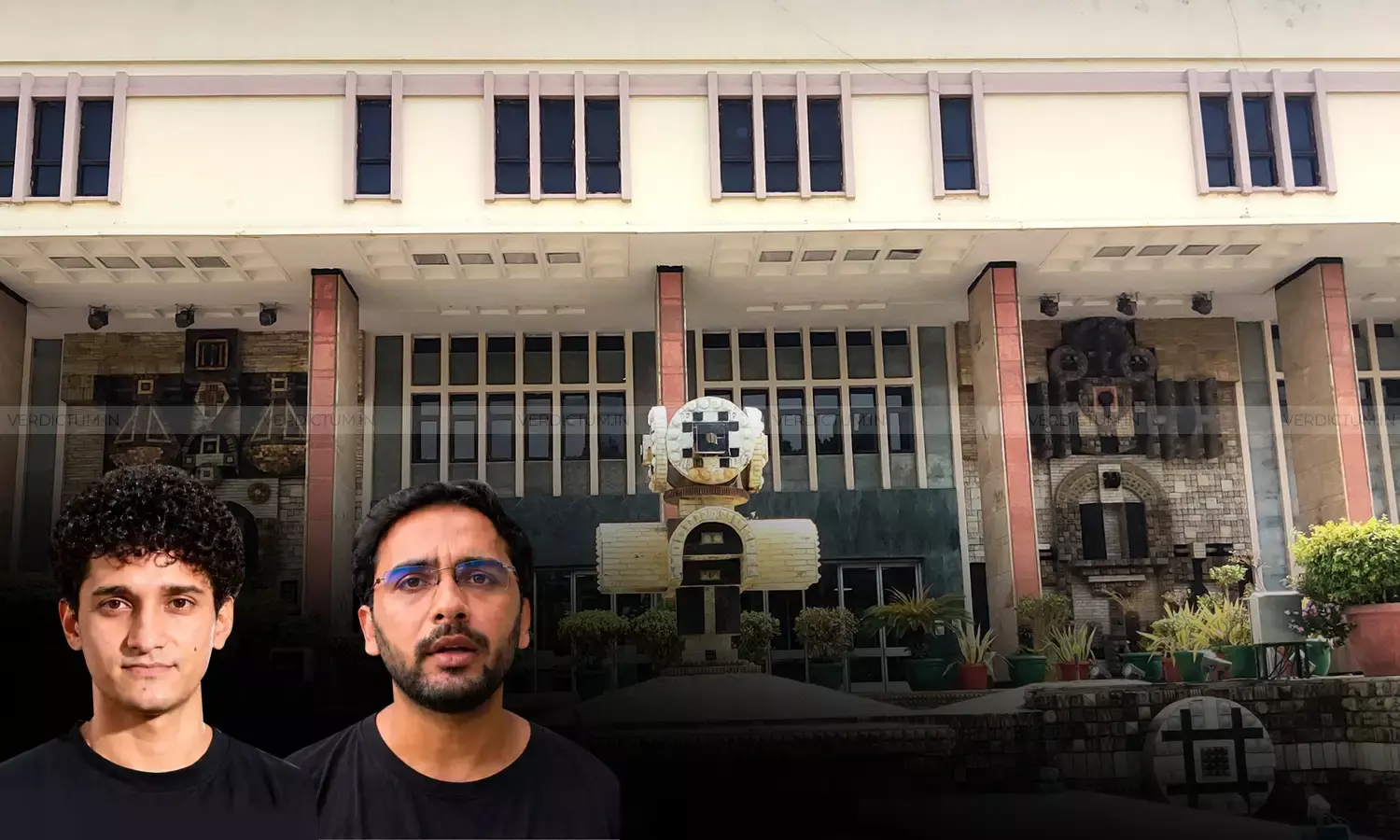
Suspense continues over the release of Saurav Das and Ashutosh Ranka, leaders of the Cockroach Janta Party (CJP), who were arrested in conne...
admin - 21 October, 2026

Protests held last Saturday against rising inflation in France turned into violence, looting, and arson in several cities. The biggest damag...
admin - 18 October, 2026
18 October, 2026


Fans

Fans

Fans

Fans
admin | 18 October, 2026